Steam plant - steam boilers with high output
Multiple system as steam boiler plant
Strong team performance


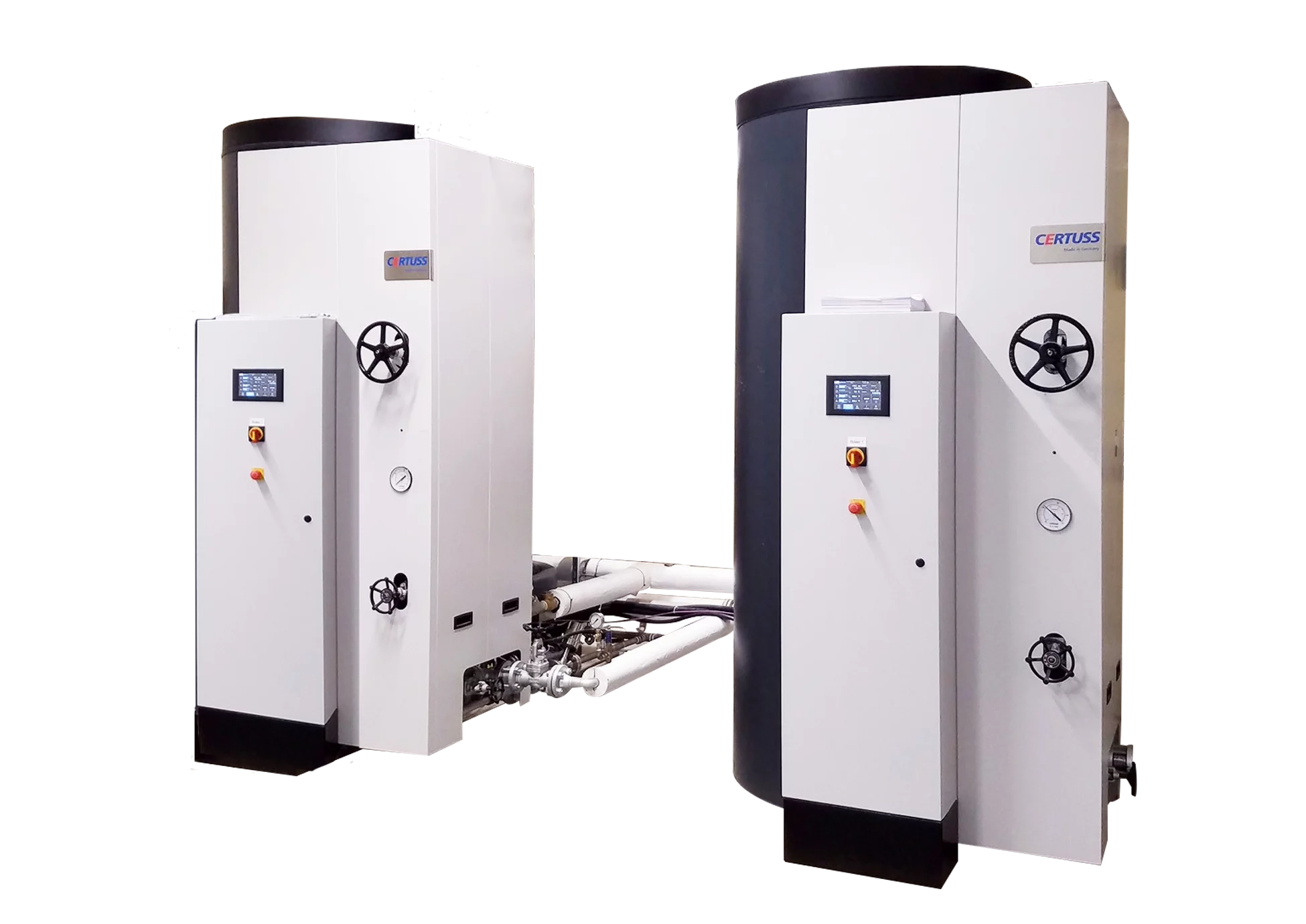
Powerful steam boiler plant for high variable steam requirements
The variable cascade connection system
Increasing steam output: Should the steam demand be high, e.g. 1,016 BHP, we can connect multiple steam generators together in series for you. Whether it's 2, 3, 4 or more combined boilers totally depends on your steam supply requirements.
More economical than a single large steam boiler: With a multiple steam boiler plant from CERTUSS, you'll benefit from highly flexible steam supply and efficient operation through a cascade connection. The integrated diagnostic system variably distributes the steam supply to the base-load boiler and the peak-load boiler. For example, two steam generators in a triple system handle the base load. The third rapid steam generator switches on during peak-load times.
Integrated redundancy: The consequent cut-in of a steam generator which is ready for operation is also possible when maintenance is to be performed on an active steam generator. The switched-on boiler functions as a redundant boiler (reserve boiler). Downtimes can be reduced considerably in this way. Load distribution enables even distribution of operating hours for each boiler.
Compatible: Multiple steam boiler plants from CERTUSS are available in all sizes and combustion types – for gas- or oil-combustion UNIVERSAL or JUNIOR steam boilers and for the ELEKTRO series as well or the new UMX steam generator. CERTUSS steam generators of different types can be combined together.
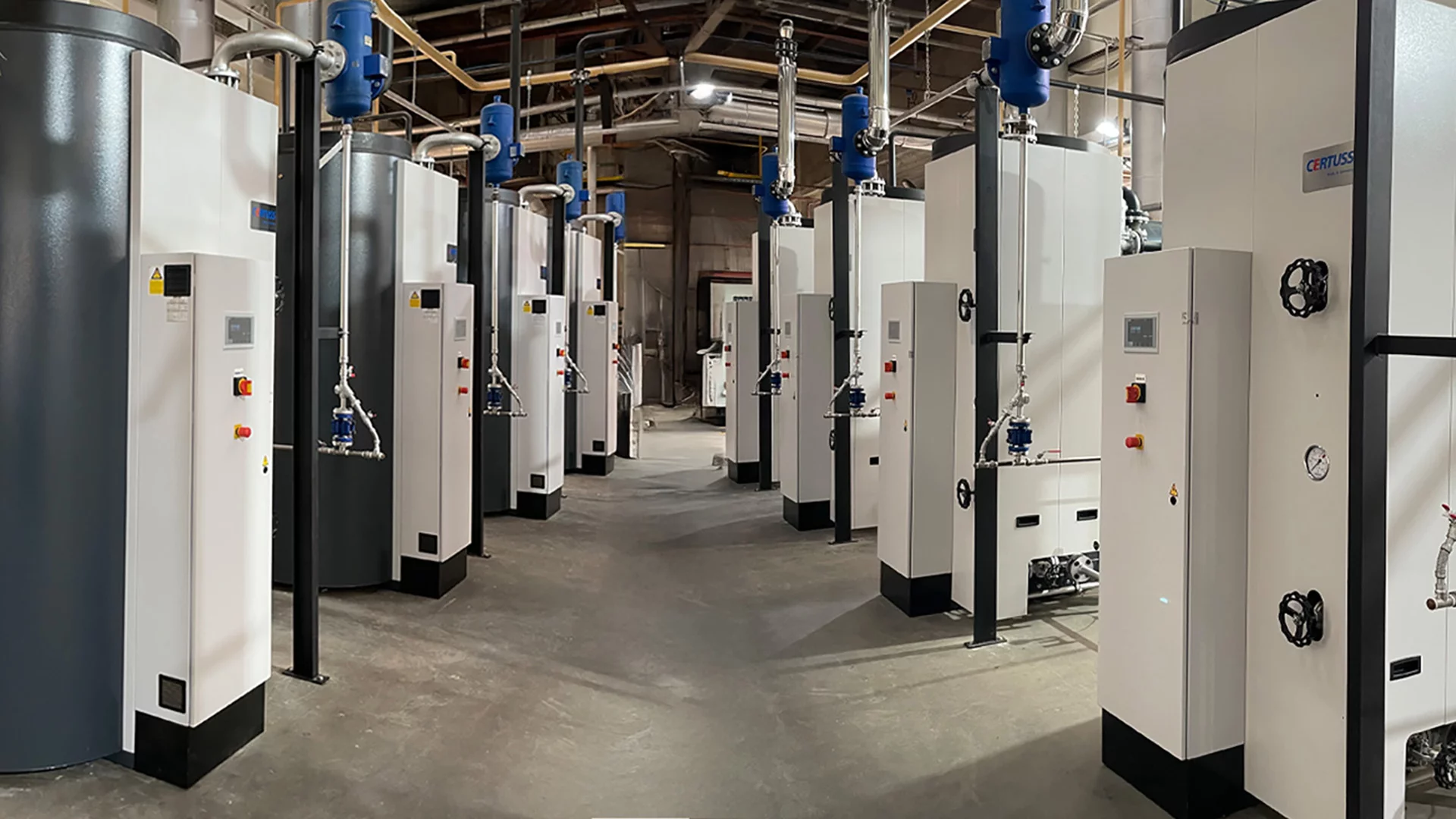
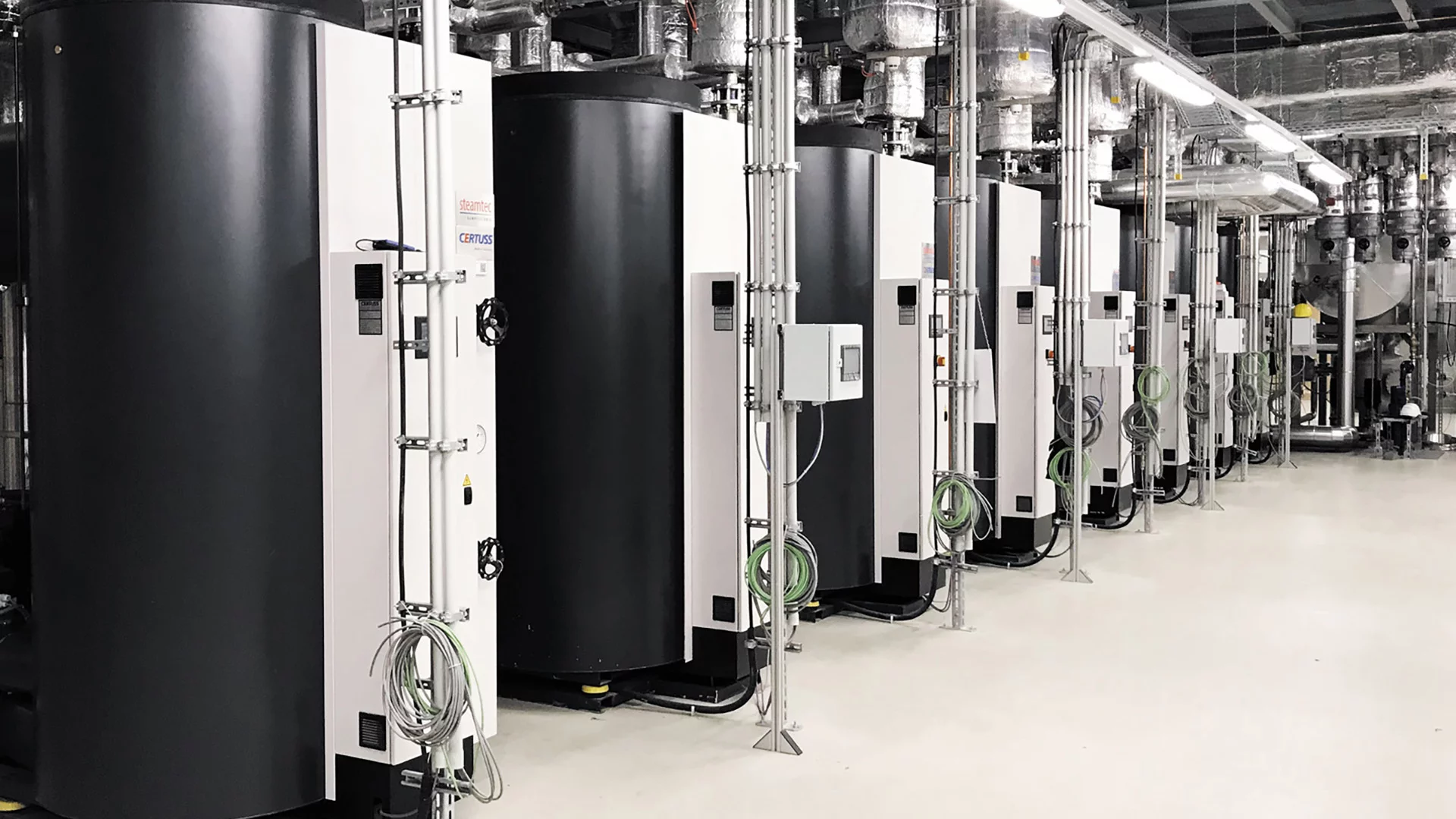
More steam output through series connection

Integrated online control system
In our steam plants, each individual steam generator can be controlled online using the building control system. This saves resources.

Highly efficient output adjustment
A consistently high degree of combustion-related efficiency is achieved across all output levels regardless of the steam demand.

Significantly smaller space requirement
With CERTUSS steam generators, you can achieve double the steam output compared to steam boilers for a specified boiler house size.
Our boiler is already steaming here
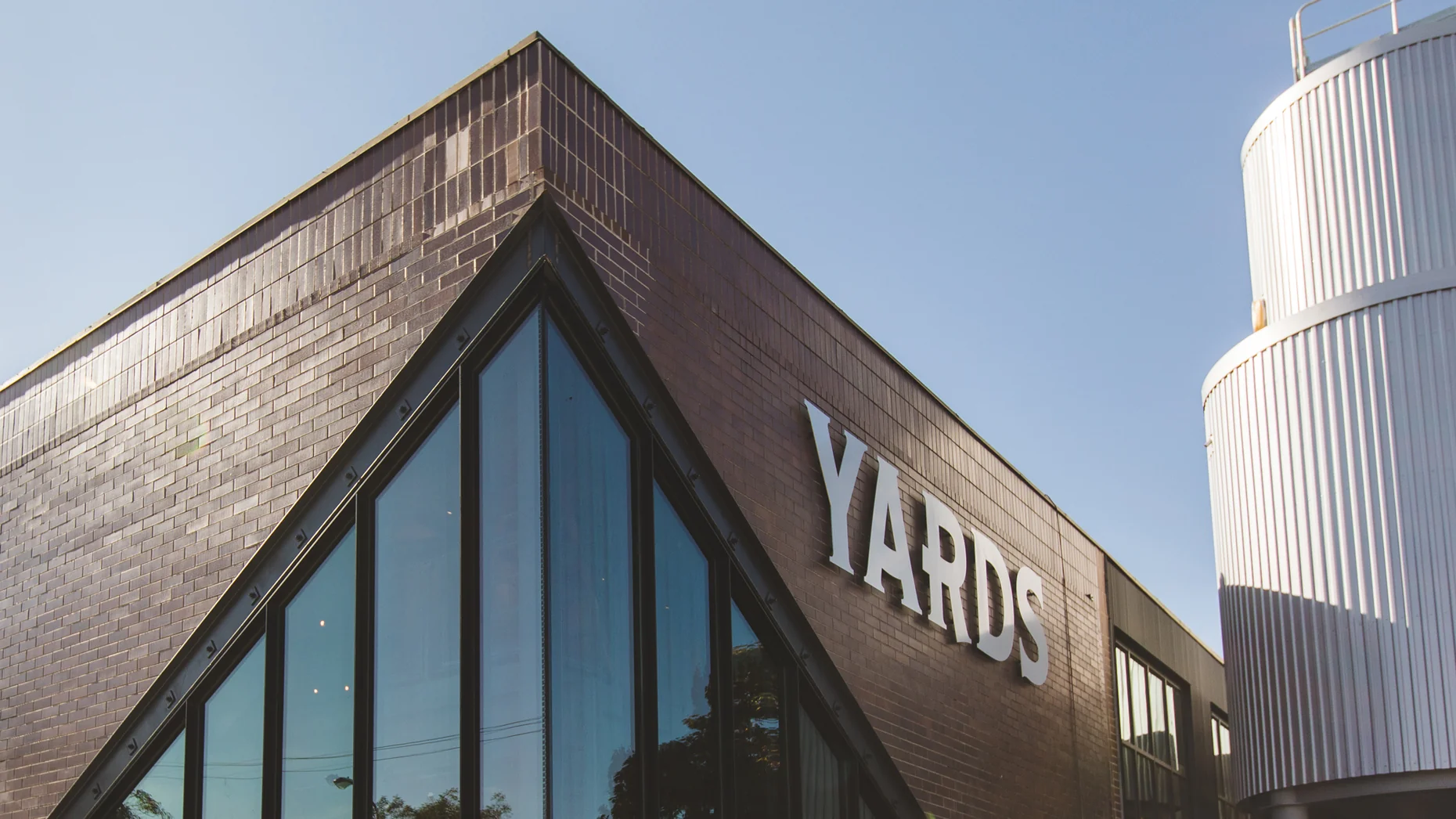
Yards Brewery
The equipment would need to supply a min. of 100,000 barrels/year facility, with a fuel supply of natural gas and steam production requirement of 16 hours a day, 5 days a week. The complete equipment is in a line, with space allotted for the third generator. The steam produced serves all applications, out of which approx.80% is consumed in the brewhouse and the rest almost equally shared between cold-block CIP and the keg line.
Informational
material
product overview